Dengue Fever Prevention, Causes, Symptoms, Treatment and Signs
Dengue fever is a serious mosquito-borne viral infection that continues to affect thousands of people across Pakistan each year. In recent outbreaks, the disease has caused critical illness and multiple fatalities, making early awareness and prevention more important than ever. Dengue spreads through infected Aedes mosquitoes and can become life-threatening if not treated promptly, especially in people with weaker immune systems.
Understanding dengue fever symptoms, causes, and prevention methods can significantly reduce the risk of severe complications and improve recovery outcomes.




What Causes Dengue Fever
Dengue fever is caused by four closely related dengue virus serotypes. Infection with one type provides lifelong immunity against that specific strain but does not protect against the others. This means a person can get dengue fever more than once, and repeat infections may increase the risk of severe illness.
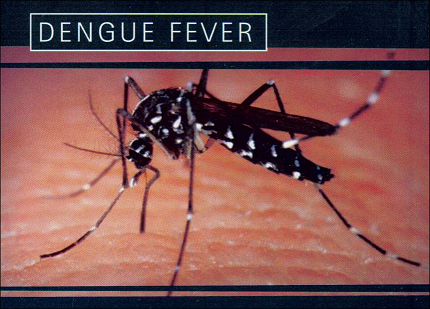
After a mosquito bite, the incubation period usually ranges from 3 to 15 days before symptoms appear. During this time, the virus multiplies in the bloodstream and begins affecting the immune system.
Dengue Fever Symptoms and Early Warning Signs
Dengue symptoms typically develop suddenly and progress in stages. Early recognition is essential for timely treatment and prevention of complications.
Common Symptoms
-
Sudden high fever up to 104°F or 40°C
-
Severe headache and pain behind the eyes
-
Intense muscle, bone, and joint pain
-
Fatigue and weakness
-
Nausea and vomiting
-
Low blood pressure and slow heart rate in severe cases
Skin and Physical Changes
-
Red or bloodshot eyes
-
Pink or pale rashes across the body
-
Chills followed by sudden temperature drops
-
Severe pain in the lower back, legs, and joints
In some cases, dengue may progress to dengue hemorrhagic fever or dengue shock syndrome, which can cause internal bleeding, organ failure, and medical emergencies.
Dengue Fever Diagnosis and Treatment
Dengue fever is usually diagnosed based on symptoms, medical history, and laboratory blood tests. There is currently no specific antiviral medication for dengue, so treatment focuses on symptom relief and preventing complications.
Dengue Treatment Options
-
Adequate fluid intake to prevent dehydration
-
Paracetamol for fever and pain relief
-
Bed rest and close medical monitoring
-
Hospitalization in severe or high-risk cases
Aspirin and ibuprofen should be avoided as they can increase bleeding risk.
Dengue Fever Prevention and Protection Tips
Preventing mosquito bites remains the most effective way to avoid dengue fever. Aedes mosquitoes are most active during early morning and sunset but can bite throughout the day.
Effective Dengue Prevention Measures
-
Use mosquito repellents and electric vaporizers
-
Wear long sleeves and protective clothing
-
Install window screens and use mosquito nets
-
Eliminate standing water around homes
-
Cover water containers and clean drains regularly
Since mosquitoes breed in stagnant water, maintaining a clean and hygienic environment significantly reduces infection risk.
Dengue fever is a preventable but potentially deadly disease. Early symptom recognition, timely medical care, and strong mosquito control practices are the most effective ways to reduce severe illness and save lives. Staying informed and taking preventive action can protect both individuals and communities from dengue outbreaks.
