Factors That Influence Weather And Climate Of Pakistan
Climate refers to the long-term average weather conditions of a particular place, typically measured over a period of 30 to 40 years. It involves several key elements such as temperature, wind patterns, humidity, and atmospheric pressure. Variations in climate can directly or indirectly influence human life and natural processes by altering the composition of the Earth’s atmosphere.
The rapid pace of industrialization, the large-scale burning of fossil fuels, and the uncontrolled destruction of forests have significantly increased the concentration of carbon dioxide released into the air.




Factors That Influence Weather And Climate Of Pakistan
Pakistan is one of the most endangered countries, among other rising nations because of its exposure to climate change and is deficient in resources. In developing countries, such as Pakistan, atmospheric change presents a grave challenge to social, ecological and fiscal advancement. It moves toward the migration within and across the national arrangement of Pakistan. The consequences of global warming in Pakistan already manifest in the form of the growing rate of droughts and flooding. Moreover, the erratic weather conditions are affecting agricultural patterns in a form of reduction of clean water supply and the failure of biodiversity. Pakistan’s susceptibility is more evident due to its Agro-based economic structure.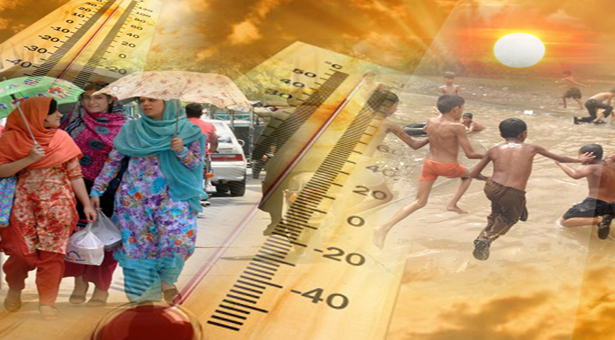
In short, the climate change is affecting the financial system of Pakistan and its impacts have formed obstacles in the process of development. The economic system of Pakistan hurts an immense loss of 3.575 billion due to abandoning the importance of weather changes. Pakistan’s Himalayan glaciers who nourish almost seven great Asian rivers are getting touched on by the unstable climates. It also highlighted the fact that these glaciers are meant to be fully condensed in the next 50 years, which is a dangerous threat to the economic organization of Pakistan.
Weather changes also cause adverse effects on the agricultural sector of Pakistan. Predominantly, Pakistan is an agrarian society, and due to the current floods it had lost 2.6 million acres of ground resources. Therefore, these weather changes have direct consequences upon the industrial and economic organization of Pakistan.
The poor strata of Pakistan’s society are mostly affected by climate changes as they are hooked upon the natural reserves and approximately 67% of the females in Pakistan work in the farming sector. So, environment changes directly influenced the scarcity of Pakistan and also raise the numerous diseases like malaria and dengue.
Lastly, the weather change could hamper the accomplishment of many of the advanced goals, including poverty suppression, child death, and ecological sustainability. Most of this harm would happen in the form of rigorous hazards.Therefore, explanatory and adapting procedures are supposed to be the two essential ways of struggling against the climatic changes.
